tanzania culture experience and traditions

     Tanzania is a vibrant tapestry of over 120 ethnic groups, each contributing unique traditions, languages, and customs to the nation’s identity. Unlike many of its neighbors, Tanzania has maintained remarkable social cohesion, largely due to the unifying influence of the Swahili language and the post-independence policies of its first president, Julius Nyerere.

the hadzabe tribe

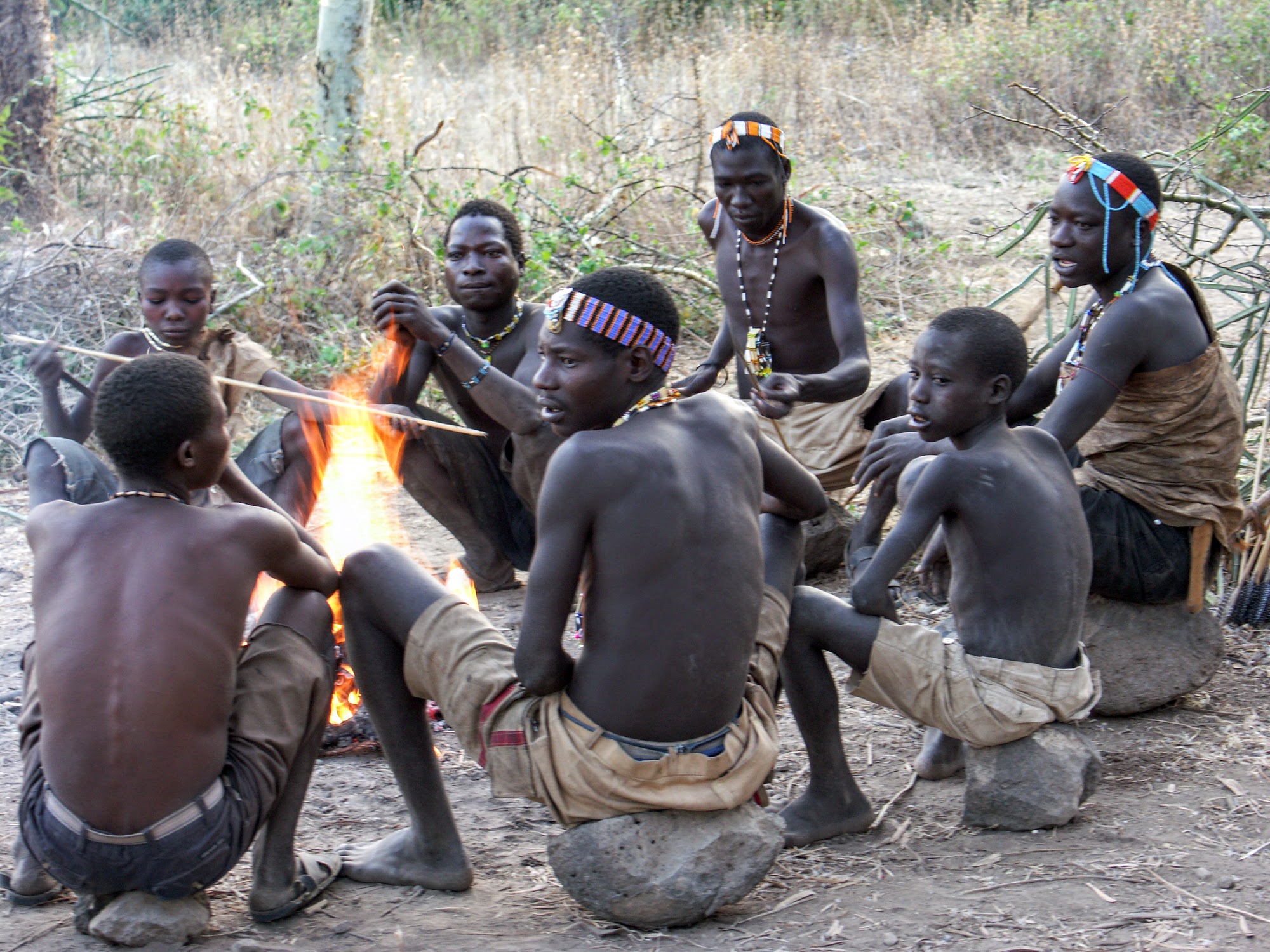
     The Hadzabe of Lake Eyasi are one of the world’s last hunter-gatherer societies, maintaining a lifestyle unchanged for millennia.

    They subsist entirely on the land, with men hunting game using traditional bows while women gather wild fruits and tubers. Their unique click language and egalitarian social structure—devoid of formal hierarchy or land ownership—set them apart. Deeply spiritual and attuned to nature’s cycles, the Hadzabe resist modern pressures to preserve a sustainable, ancient way of life.

    They represent a profound connection to human history, embodying resilience through their harmonious relationship with the Tanzanian wilderness.
The Maasai tribe

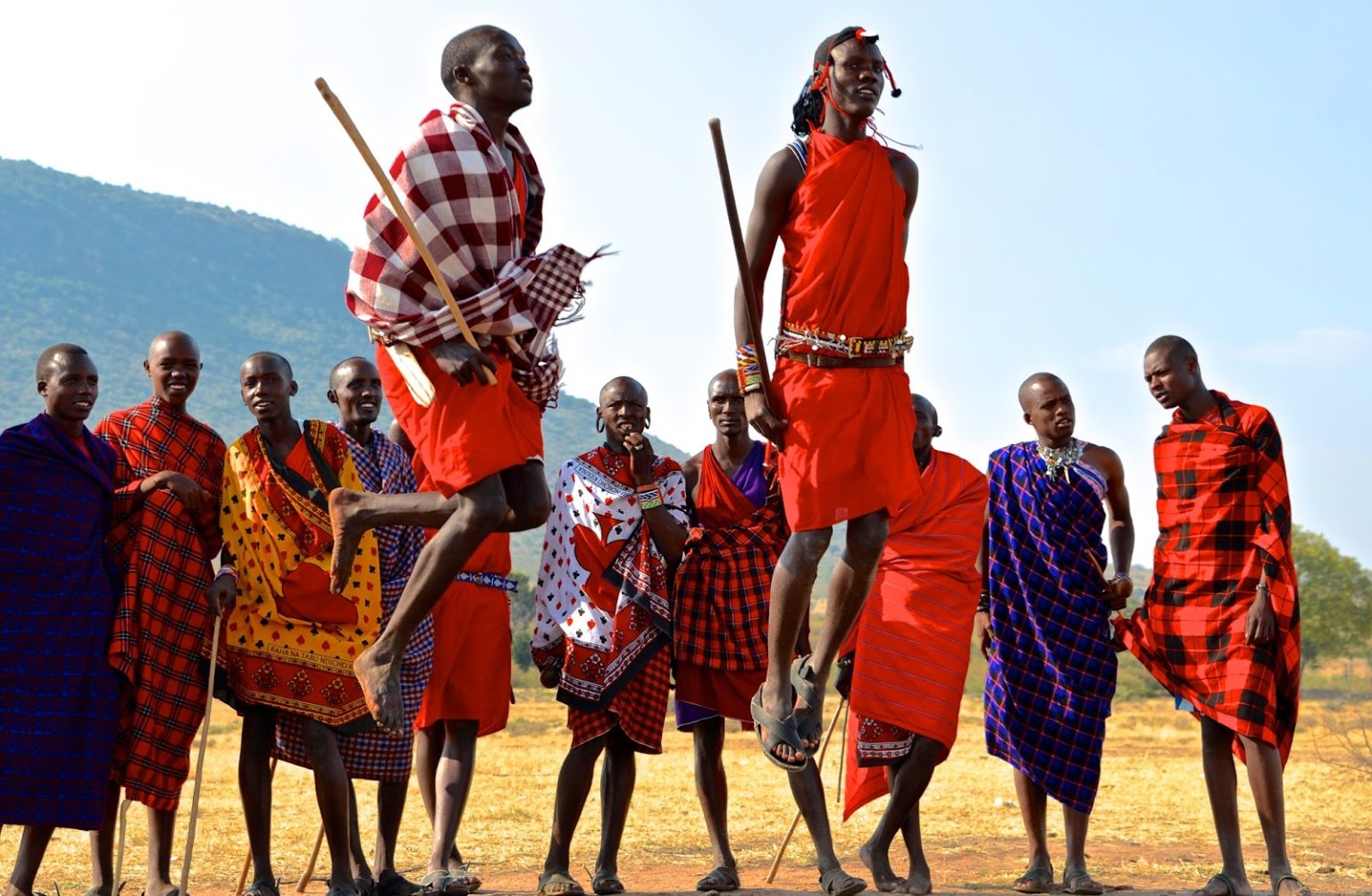
    Perhaps the most iconic tribe, the Maasai inhabit northern Tanzania. Known for their striking red shukas (robes) and intricate beadwork, they are pastoralists whose lives revolve around cattle.

    Their culture is deeply communal, with social structures defined by age-sets. The Adumu—a traditional jumping dance performed by young warriors—is a powerful symbol of their strength and endurance.

The Coastal Swahili and Ancient Hunters

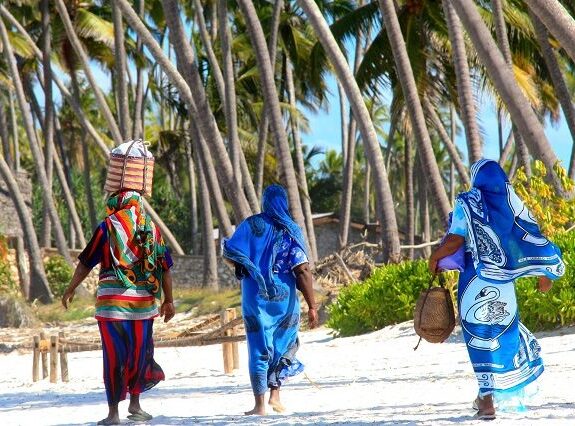
    The Swahili culture on the coast is a historic blend of African, Arabic, and Indian influences, reflected in the ornate carved doors of Stone Town and spiced cuisine. 

    Conversely, the Hadzabe and Sandawe represent some of the world’s last hunter-gatherer societies, still using click-languages and ancient survival techniques in the Rift Valley.

Get in Touch
First
Last
Choose Activities
Scroll to Top